Posts

Types of Partial Dentures, Costs & Pros and Cons of Each
Image
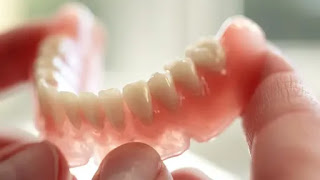
  When you have lost your teeth, there are some tooth replacement options that can offer a cosmetic look and an improved smile. Partial dentures are one of those great choices that are designed to replace partially missing teeth. Therefore, if you have lost several teeth or still have some healthy teeth remaining in your mouth, partial dentures can provide you with the tooth replacement that you want. Partial dentures  come in different forms. Although the dentist will recommend the best option after careful evaluation, patients have the final choice as the wearer. Some of the common types of partials include: Removable partial dentures (RPD) have been in use in  dentistry  for years to fill the gaps of missing teeth. A removable partial denture uses metallic clasps or retainers around the remaining natural teeth next to the missing area for the retention of the dentures. These natural teeth are called abutments and dentists prepare the adjacent abutment in advance t...
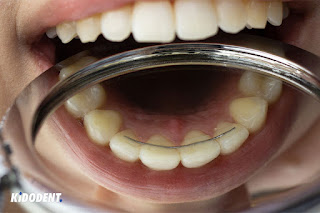
Everythings about permanent retainer glue came off one tooth

    If your permanent retainer comes off one tooth , it is essential to consult with your orthodontist to have it repaired or replaced. Permanent retainers are bonded to the back side of the teeth with a material called dental composite, which can wear out or become debonded over time[1]. Here are some steps to take if your permanent retainer comes off:   1. **Contact your orthodontist**: Make an appointment to see your orthodontist as soon as possible to have the retainer repaired or replaced.   2. **Wear a removable retainer**: If you have a removable retainer, wear it at least every night until you can get the broken permanent retainer repaired.   3. **Save the broken retainer**: If the wire of the permanent retainer is still solid but the composite has gotten too thin or come debonded from one or two teeth, your orthodontist can usually fix it by placing new dental composite over the wire and bonding it to your teeth.   4. **Consider t...

Causes of Bone Sticking Out in the Gum: Bone Spur

Image
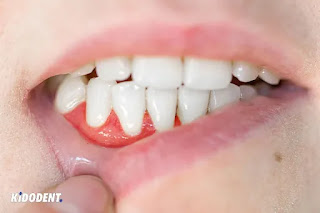
  bone spur in gum can happen spontaneously or because of surgical dental treatment that you have recently done. If you have performed a  tooth extraction , undergone an oral surgery on jawbone or periodontal part of your gum taken certain medications to treat bone disorders and diseases like bisphosphonate drugs performed radiation or chemotherapy You are more likely to see a sharp bone that appears out of gums and soft tissues in your mouth. This doesn’t usually happen but bone spur exists in the location of your previous oral surgical procedure. What is a bone spur (bone spicule)? Bone spur, also called bone spicule, is the appearance of bony parts in your gum’s soft tissue. Bone spicule is like an extra piece of bone that is trapped in your gum and can cause pain, infection, and swelling in its site in your gum. It is caused due to diseases, oral surgery (e.g. tooth extraction), medications, and dental trauma or injury. A bone spur or bo...

8 causes of lip discoloration

Image
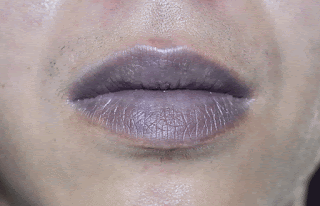
  purple lips dehydration Blood changes color depending on its oxygen content. For example, oxygenated blood appears bright red, while deoxygenated blood can appear either dark red or purple. Low oxygen content in the blood or poor circulation can cause blueish discoloration in the skin and lips. This is known as cyanosis. A person may also develop cyanosis if they have abnormal hemoglobin. Hemoglobin is a protein present in the blood. Normal hemoglobin adheres to oxygen molecules and transports them throughout the blood. However, the presence of abnormal hemoglobin can  significantly reduce Trusted Source  the oxygen content of the blood. Other possible causes of cyanosis include: pneumonia fluid buildup in the lung cavity blood clots heart attack exposure to toxins exposure to freezing temperatures spending time at high altitudes Cyanosis usually indicates an underlying medical condition that requires treatment. A person should seek medical care if they ...

Orthodontic Headgear: Definition, Uses and Types

Image
  cervical headgear disadvantages is an orthodontic appliance to treat jaw and facial deformities. Unlike most orthodontic appliances that you wear in the mouth, headgear is an extraoral appliance, which means you wear it out of your mouth and orthodontists use other parts outside the mouth to anchor (to fit in place) the appliance. In  orthodontics , changing the growth of the bone in the jaws is one of the main treatments to get to the aligned and right shape for your appearance. Headgear is the best treatment to correct jaw abnormalities especially when your child is still in growing age. Some people may choose surgeries for their jaw correction because their facial growth is no longer in development. But if treatment starts at earlier phases of children’s development, surgeries in adulthood will not be necessary.   What is teeth bonding? Teeth bonding  is a less invasive and relatively quick procedure where dentists use tooth-colored composite resin material to ...

What is a root canal procedure?

  The dental operation to clean the canals inside the root of your tooth is known as root canal therapy . In the root of each tooth, there are canal spaces. A tooth with two roots has two canal spaces, while a tooth with only one root has one canal space. The dental pulp, or the brain of your tooth, is found inside these root canals and extends to the upper part of the tooth (the crown). The nerves and blood vessels are contained in the pulp, which is a soft living tissue. The pulp of a tooth will be accessible to germs and diseases if it is broken or fractured owing to cavities or dental trauma. Your pulp will become necrotic if you don't treat it (dead). What is the process for a root canal? To inspect the pulp and root canals, your endodontist or dentist uses X-rays, CT scans, or other radiographic imaging. After that, a root canal on front tooth procedure is arranged. Depending on the intricacy of the operation, the process may take one to three trips to complete. Tr...

Loose Permanent Retainer Adhesive: Next Steps

Image
  If you've noticed that permanent retainer glue came off or detached, it's essential to take the appropriate steps to address the issue promptly. Here's what you should consider doing next:   1. **Don't Panic:** While a loose retainer can be concerning, it's essential to stay calm and avoid any actions that might worsen the situation.   2. **Examine the Situation:** Carefully inspect the retainer and identify the specific tooth or area where the adhesive has come loose. Understanding the extent of the issue will help when you seek professional assistance.   3. **Avoid Putting Pressure:** Be cautious not to put excessive pressure on the affected tooth or area. Refrain from biting into hard or sticky foods that could potentially dislodge the retainer further.   4. **Contact Your Orthodontist:** The best course of action is to get in touch with your orthodontist or the dental professional who initially placed the retainer. They have the necessary expertise to ass...